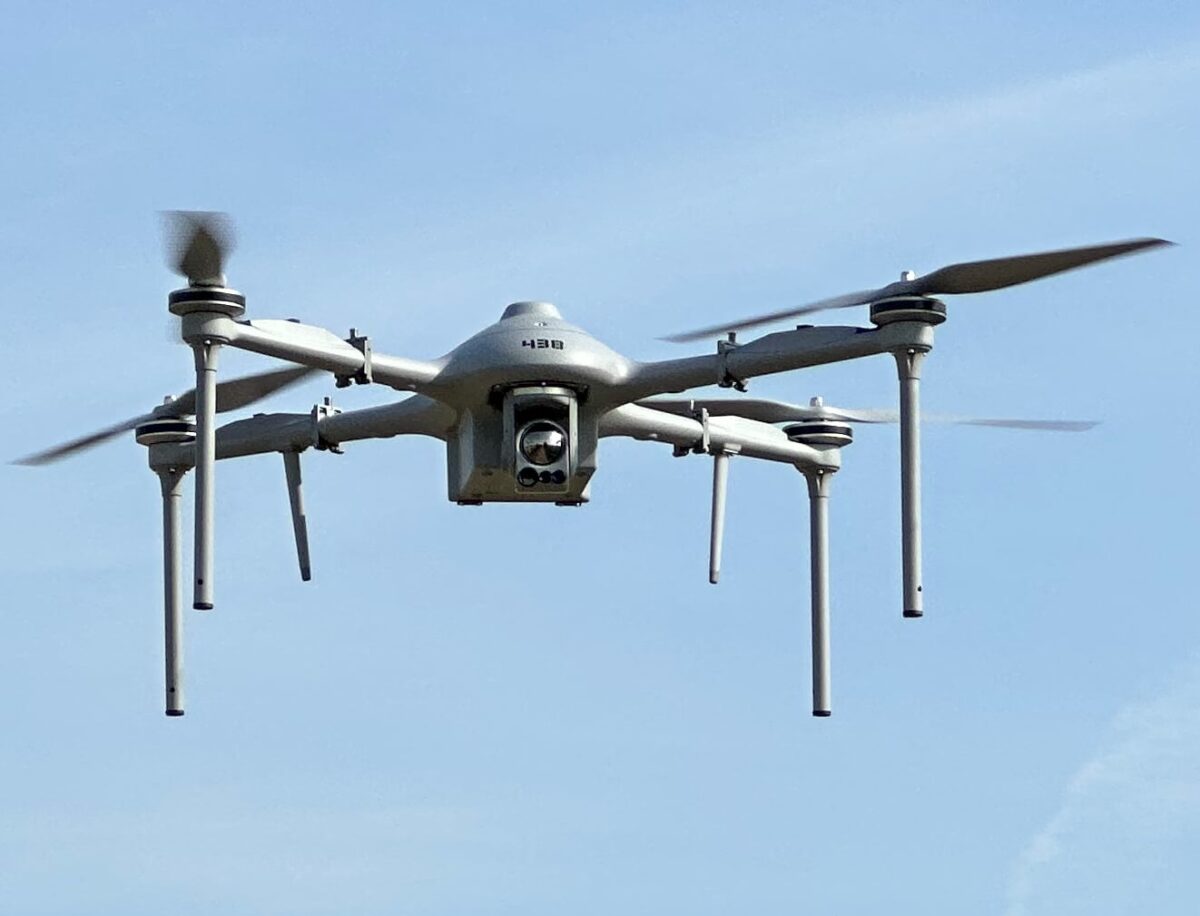
The United Nations has warned that terrorist groups operating in northern Nigeria and across the Sahel are increasingly embracing advanced technologies, including drones, encrypted communications and cryptocurrencies, to expand their operations and evade security forces.

The warning was delivered during a briefing to the UN Security Council by the Secretary-General’s Special Representative for West Africa and the Sahel, Leonardo Simão, who presented the latest report on the United Nations Office for West Africa and the Sahel (UNOWAS).

According to Simão, armed extremist groups are no longer relying solely on conventional insurgency tactics but are rapidly adapting to modern technology to coordinate attacks across borders, strengthen logistics and finance their activities.

“Armed groups are increasingly using drones, sophisticated communications and cryptocurrencies while coordinating operations across borders,” Simão told the Security Council, describing the growing convergence between terrorism and transnational organised crime in the region.

The UN said the deteriorating security situation across West Africa and the Sahel has forced approximately 6.8 million people from their homes, while another 1.28 million people have become refugees or asylum seekers. Women and children continue to bear the greatest humanitarian burden.

The report highlights the growing use of commercially available drones by extremist organisations, particularly the Islamic State West Africa Province (ISWAP).

According to the briefing, ISWAP carried out around 10 armed drone attacks between 2024 and early 2026, including a coordinated assault involving four drones against a Nigerian military forward operating base in December 2024 that reportedly injured several soldiers.

The report also notes that Jama’a Nusrat ul-Islam wa al-Muslimin (JNIM), an al-Qaeda-linked group active in the Sahel, conducted at least 89 drone operations across Mali, Burkina Faso and Togo between 2023 and 2025.

The drones are typically modified commercial quadcopters capable of carrying small explosive devices, reflecting tactics increasingly seen in conflicts around the world.

Beyond the battlefield, the UN warned that terrorist financing is also evolving.

The Security Council briefing came only days after President Bola Tinubu signed Nigeria’s Virtual Assets Coordination Executive Order on July 17, 2026, creating a national coordination framework involving the Central Bank of Nigeria, the Nigeria Financial Intelligence Unit (NFIU) and the Office of the National Security Adviser to strengthen oversight of virtual assets and combat money laundering and terrorism financing.

The UN report noted that ISWAP-linked media channels have publicly sought Bitcoin donations, while blockchain intelligence firms have documented the use of cryptocurrencies by extremist groups to purchase weapons, drones and other operational equipment.

Authorities have also acknowledged that virtual currencies are increasingly being exploited for cross-border movement of funds outside traditional banking systems, making financial tracking more challenging.

The briefing further pointed to the growing overlap between terrorism, banditry and organised crime across parts of Nigeria and the wider Sahel.

It referenced recent security operations linking kidnappings in parts of Oyo State to Ansaru, a Boko Haram splinter faction, alongside the discovery of a large methamphetamine laboratory reportedly involving foreign criminal networks.

Although Nigerian security forces have recorded significant successes against insurgents in the North-East—including the surrender of fighters and the reported killing of senior ISWAP commander Abu-Bilal al-Minuki in a joint operation—the UN cautioned that extremist groups are adapting rather than disappearing.

Security analysts cited in the report argue that Nigeria and its regional partners must accelerate investments in counter-drone technology, strengthen blockchain tracing capabilities, tighten regulation of commercial drone imports and improve intelligence sharing across borders.

The UN stressed that while governments continue to focus on conventional military responses, terrorist organisations are increasingly operating through digital, financial and technological networks that require equally sophisticated countermeasures.

As Nigeria begins implementing its new virtual assets regulatory framework, the effectiveness of the policy will likely depend on how successfully authorities can disrupt terrorist financing networks while responding to the rapidly changing security landscape across the country and the wider Sahel region.

Share.
Leave A Reply

Exit mobile version