Despite committing nearly ₦145 billion to secure Nigerian schools over four years, the country is witnessing yet another wave of brazen abductions, with gunmen storming exam halls and classrooms in broad daylight. The latest attack in Kogi State has reignited fierce questions about where the money went — and why prevention remains elusive.

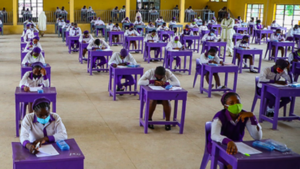
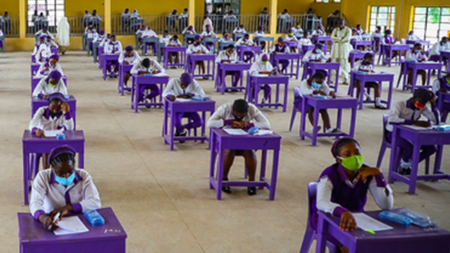
On Tuesday, July 14, 2026, armed attackers invaded Government Secondary School in Odo-Ekina (Olowa), Dekina Local Government Area of Kogi State, at approximately 5:25 p.m. while students sat for NECO examinations. They abducted the school principal, Elder Daniel Iyanaa, a NECO ad hoc staff member, and four students. One student has since been rescued, but the others remain missing as security forces intensify operations.

What began as a northeastern insurgency problem has now engulfed the northwest, north-central, and even the southwest — President Bola Tinubu’s geopolitical zone. Key incidents include the May 15, 2026 coordinated raids on multiple schools in Oriire LGA, Oyo State, where around 39–49 pupils and seven teachers (including a toddler in some accounts) were abducted. One teacher was killed in captivity. All survivors were rescued after 56 harrowing days in early July. The same day, approximately 42 students, including very young children, were taken from a primary and junior secondary school in Mussa, Borno State. They remain missing with far less national attention than the Oyo case. Earlier, the March 2024 Kuriga abduction in Kaduna involved 287 students, who were later freed.

Historical cases like Chibok (276 girls in 2014), Dapchi (2018), and Kankara (2020) show the crisis is not new — but it is accelerating and spreading. Aggregated reports indicate hundreds abducted in mass school incidents in recent years alone, with broader tallies exceeding 2,000 since 2014.

A review of the National Plan on Financing Safe Schools (2023–2026) shows a total commitment of approximately ₦144.8–145 billion. The Federal Government was to provide the bulk (~₦119.83 billion), with states contributing the rest. Annual breakdowns ramp up from roughly ₦32.6 billion in 2023 to ₦38 billion in 2026. Of this, ₦82.9 billion went to security agencies — Nigeria Police, DSS, NSCDC, and Defence — for arms, ammunition, equipment, training, and operations.

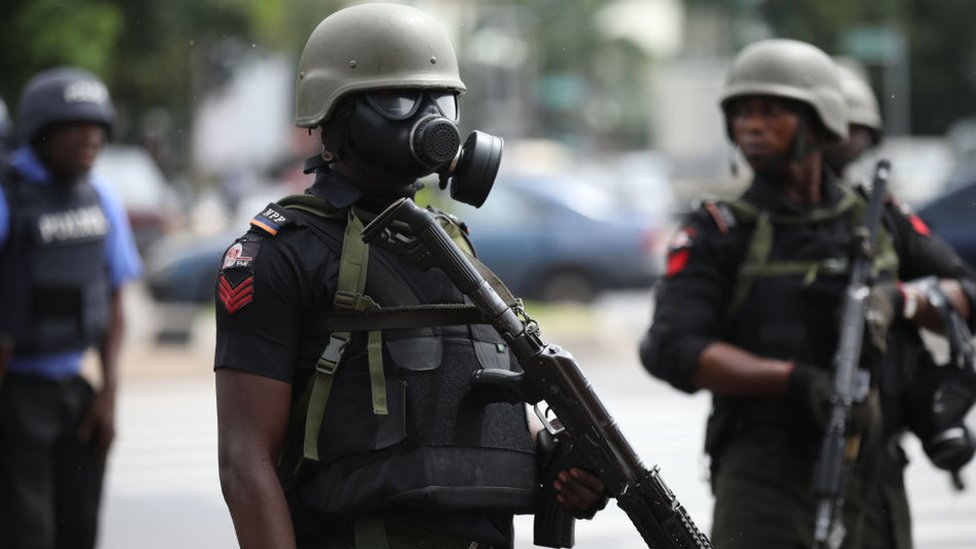
Yet stakeholders, including activist Funmi Falana and SERAP, have demanded a full public audit, citing a lack of transparent outcomes on perimeter fencing, early warning systems, security posts, or armed escorts for vulnerable schools. The Nigeria Police’s response to recent attacks has included announcements of emergency response centers, but critics note these are reactive, not preventive. No comprehensive school-by-school accounting of infrastructure or impact has been published.

Experts point to deep structural problems: funding and coordination gaps, with many high-risk states fiscally weak and not consistently meeting co-funding obligations; intelligence failures, as attacks occur without effective early warnings even in areas with known threats; and a geographic mismatch, as the program was originally designed for the northeast but threats have evolved and dispersed without matching resource redeployment. Senate probes and audits of specific disbursements have highlighted irregularities in some spending, further eroding public trust.

The asymmetry in attention is glaring: the Oyo victims received sustained coverage and a high-level rescue, while the Mussa children in Borno have largely faded from headlines after more than two months in captivity. As attacks continue during national exams and in previously “safer” zones, Nigerians are demanding more than promises. A full, independent audit of the ₦145 billion — detailing expenditures, deliverables, and measurable results — is seen as essential. Resources must follow current threat maps, and functional prevention infrastructure must replace reactive measures.

Twelve years after Chibok and billions spent, the question remains: Will this latest failure finally force systemic change — or will the cycle continue until the next unavoidable tragedy?

This story is developing. Security agencies continue rescue operations in Kogi, and calls for transparency on Safe Schools funding are growing louder.

Share.
Leave A Reply

Exit mobile version