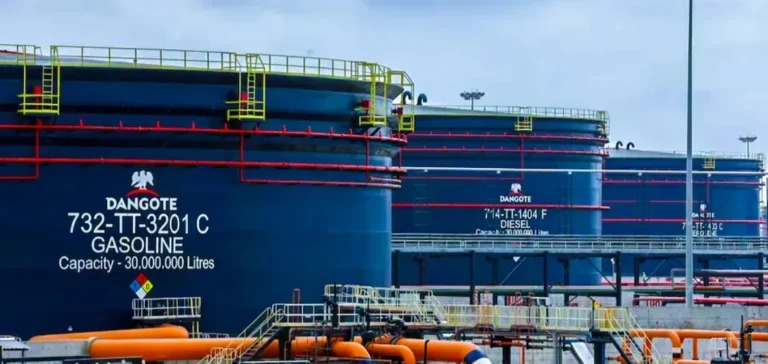
Nigerians may soon pay significantly more for petrol after Dangote Petroleum Refinery officially ended the sale of petroleum products in naira, introducing an exclusive US dollar pricing system that is expected to ripple across the country’s downstream oil sector.

The policy, which took effect on July 13, 2026, marks a major shift in Nigeria’s fuel market and signals the end of the refinery’s naira-denominated sales introduced under the Federal Government’s crude-for-naira initiative.

Under the new pricing structure, all marketers lifting products from the refinery must now pay in US dollars for Premium Motor Spirit (PMS), Automotive Gas Oil (diesel) and Jet A1 aviation fuel.

Dangote Refinery has fixed petrol (PMS) at $0.779 per litre, diesel at $1.087 per litre, aviation fuel (Jet A1) at $0.942 per litre, while coastal petrol deliveries will cost $1,044.62 per metric tonne.

Liquefied Petroleum Gas (LPG), popularly known as cooking gas, is the only major product excluded from the new arrangement and will continue to be sold under the existing payment system.

Higher Pump Prices Expected

The refinery’s decision is expected to have an immediate impact on fuel prices across Nigeria.

Using the current official exchange rate of approximately ₦1,380 to ₦1,381 per US dollar, the refinery’s petrol price translates to an ex-depot cost of about ₦1,075 per litre before transportation expenses, storage costs, depot charges, regulatory levies and marketers’ profit margins are added.

At the parallel market exchange rate of around ₦1,420 per dollar, the ex-depot price rises to roughly ₦1,106 per litre.

Considering that filling stations in Lagos have recently sold petrol for between ₦960 and ₦1,050 per litre, industry stakeholders say motorists should prepare for another round of pump price increases in the coming days.

The eventual retail price will depend on exchange rate movements, logistics costs and competition among fuel marketers.

Why Dangote Abandoned Naira Sales

Industry sources say the refinery’s decision was driven by growing financial pressure caused by the Federal Government’s struggling crude-for-naira programme.

Introduced on October 1, 2024, the initiative was designed to allow local refiners to buy Nigerian crude oil in naira rather than US dollars. In return, refined petroleum products would also be sold in naira, reducing pressure on foreign exchange and helping to stabilise fuel prices.

However, the arrangement has reportedly failed to meet expectations.

The Nigerian National Petroleum Company Limited (NNPCL) was expected to supply Dangote Refinery with between 13 and 15 cargoes of crude oil every month. Instead, industry data indicate that deliveries have frequently averaged only about five cargoes monthly, with occasional improvements to between seven and ten cargoes.

The supply gap forced the refinery to source most of its crude oil from international suppliers, where purchases are settled in US dollars.

While the refinery continued selling refined products locally in naira, it increasingly paid for crude in dollars, exposing the company to mounting foreign exchange losses as the naira weakened.

Industry insiders say maintaining that pricing model had become commercially unsustainable.

Global Oil Market Adds Fresh Pressure

The timing of the policy change coincides with renewed volatility in the global oil market.

Brent crude has climbed above $80 per barrel, trading around $83 following heightened geopolitical tensions involving the United States and Iran around the Strait of Hormuz—one of the world’s busiest oil shipping routes.

The rise in crude prices has increased refining costs globally and added another layer of pressure on fuel markets.

Although Nigeria stands to earn more from higher international oil prices due to increased export revenue, the same development also raises the cost of refining petroleum products and puts additional pressure on the country’s foreign exchange market.

Nigerians Brace for Wider Economic Impact

Economists warn that the refinery’s decision effectively reconnects Nigeria’s domestic fuel market to exchange rate fluctuations, making petrol prices more vulnerable to changes in the value of the naira.

The implications extend far beyond filling stations.

Higher diesel prices are expected to increase transportation and logistics costs for businesses, while more expensive aviation fuel could lead airlines to review ticket prices.

As transport costs rise, prices of food and other consumer goods may also increase, adding further pressure on households already battling high inflation and a rising cost of living.

Fuel marketers are also expected to face greater demand for US dollars to finance imports and refinery purchases, a development that could tighten liquidity in Nigeria’s foreign exchange market.

What Happens Next?

Energy analysts say the direction of fuel prices over the coming weeks will depend on several critical factors, including the stability of the naira, global crude oil prices, the Federal Government’s ability to improve crude supply to local refiners under the crude-for-naira programme, and competition from imported petroleum products.

Despite concerns over higher fuel prices, Dangote Refinery maintains that the transition to dollar-denominated sales is necessary to protect its operations from foreign exchange risks and ensure long-term commercial sustainability.

For millions of Nigerians already struggling with rising living costs, the coming weeks could determine whether the latest policy shift triggers another wave of inflation or prompts fresh government intervention to stabilise the downstream petroleum sector.

Share.
Leave A Reply

Exit mobile version