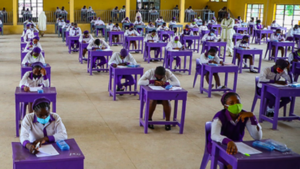


A nationwide study has revealed that about four in every 10 Nigerian medical and dental students participate in online gambling, while more than one in 10 exhibit signs consistent with a possible gambling disorder, raising fresh concerns over the impact of betting on the country’s future healthcare workforce.

The findings were published in the peer-reviewed Journal of Gambling Studies and indexed on PubMed, one of the world’s leading biomedical research databases maintained by the U.S. National Institutes of Health.

The research, led by Nicholas Aderinto alongside Adetola Emmanuel Babalola, Gbolahan Olatunji, Emmanuel Kokori and other collaborators, surveyed 403 Bachelor of Medicine, Bachelor of Surgery (MBBS) and Bachelor of Dental Surgery (BDS) students from 12 universities across Nigeria’s six geopolitical zones.

Using the internationally validated South Oaks Gambling Screen (SOGS) to assess gambling behaviour, researchers found that 40.19 percent of respondents had engaged in gambling, with online platforms accounting for the overwhelming majority of participation. The average SOGS score among participants was 1.35 ± 2.49.

The study also found that 10.42 percent of the students met the screening threshold for a possible gambling disorder, suggesting that a significant proportion may require further psychological evaluation and support.

Sports betting emerged as the dominant form of gambling among respondents, reflecting the growing popularity of online betting platforms in Nigeria.

According to the researchers, male students were significantly more likely to participate in sports betting than their female counterparts. Gambling participation was also more common among older students, particularly those above the age of 30, medical students compared with dental students, and students attending certain institutions, including the University of Calabar and the University of Nigeria, Enugu Campus.

The study further identified several factors associated with increased gambling participation. These included financial dependence on parents or family members, scholarships, loans and other funding sources, as well as having a family history of gambling.

Researchers noted that although many students reported wagering relatively small amounts of money, the proportion showing signs of possible gambling disorder is a cause for concern.

They warned that problematic gambling could negatively affect students’ mental health, academic performance, financial stability and future professional practice, particularly in demanding healthcare professions where concentration, sound judgment and emotional well-being are essential.

The study attributed the rising trend partly to the increasing accessibility of online gambling platforms through smartphones and digital payment systems, combined with aggressive advertising and growing economic pressures affecting Nigerian youths.

The authors observed that medical and dental students face unique academic and financial challenges that may make gambling appear attractive either as a coping mechanism or as a perceived means of supplementing income.

Published online on May 27, 2025, and appearing in the September 2025 edition of the Journal of Gambling Studies (Volume 41, Pages 1329–1348), the research represents one of the first nationwide, multi-institutional studies examining gambling behaviour specifically among Nigerian medical and dental students.

The findings add to growing evidence that sports betting and online gambling are becoming increasingly common among Nigerian youths, driven by widespread internet access, mobile technology, extensive betting advertisements and ongoing economic challenges. Experts say the study underscores the need for early intervention to protect students’ well-being and safeguard the future healthcare workforce.

Share.
Leave A Reply

Exit mobile version