







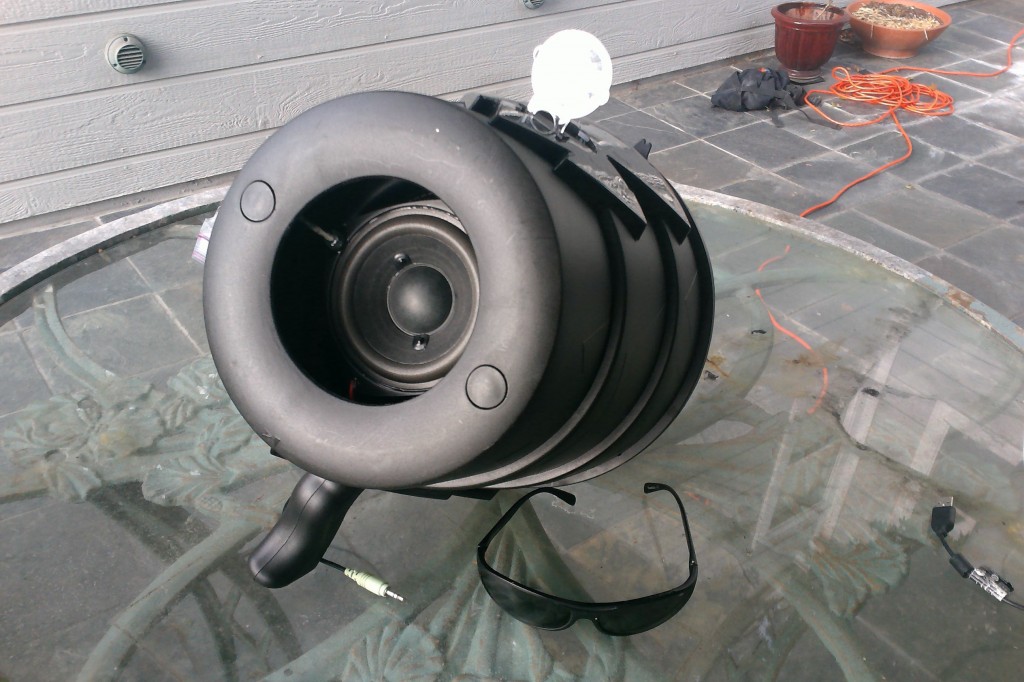
Former NASA engineers say their new infrasound technology can disrupt flames using low-frequency sound waves, offering a futuristic defense against devastating wildfires.
LOS ANGELES, California — May 22, 2026 — A team of former NASA engineers has unveiled a futuristic wildfire defense system that uses invisible low-frequency sound waves to suppress flames before they spread to homes.
The startup behind the technology, Sonic Fire Tech, says its roof-mounted acoustic suppression system emits powerful infrasound frequencies — deep bass tones below 20 Hz that are inaudible to humans — to disrupt combustion and starve fires of oxygen.
The company recently earned a prestigious CES 2026 Innovation Award in the Smart Home category and is preparing pilot installations across 50 California homes located in wildfire-prone areas.
The breakthrough comes as California residents continue dealing with the fallout from catastrophic 2025 wildfires, which caused an estimated $28.6 billion in property damage nationwide. Insurance companies have increasingly pulled out of high-risk markets, leaving many homeowners struggling to secure affordable coverage.
According to Sonic Fire Tech, the system is designed to provide a protective perimeter around homes without using water, chemicals, or traditional firefighting equipment.
Installed inside an attic, the system uses a piston-driven emitter connected to metallic ducts hidden within roof eaves and gutters. When flame sensors detect fire or airborne embers nearby, the device automatically activates and broadcasts low-frequency infrasound waves capable of interfering with combustion reactions.
The technology works by targeting one of the three core elements required for fire: oxygen.
\text{Fire Triangle: Heat + Fuel + Oxygen}
By rapidly vibrating air molecules, the infrasound waves separate oxygen from the flame faster than the fire can sustain combustion.
Geoff Bruder, co-founder of Sonic Fire Tech, explained the concept in simple terms.
“It’s basically vibrating the oxygen faster than the fuel can use it, so you block the chemical reaction of the flame,” Bruder said.


